
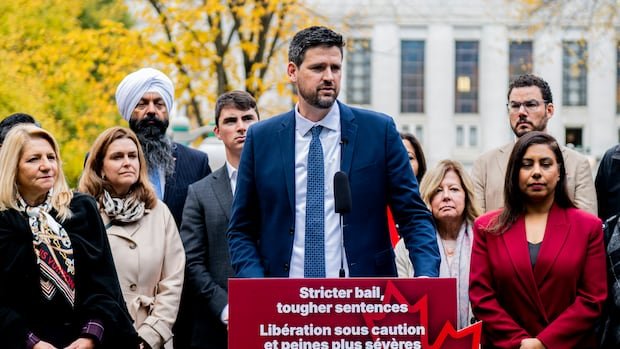
The Canadian federal government revealed adjustments to the legal system on Thursday aimed at extending the detention of certain offenders to combat rising crime rates. The newly introduced legislation, C-14, enacts numerous targeted modifications to the bail and sentencing structure within the federal Criminal Code, addressing calls from victims’ rights advocates, police unions, and certain provincial leaders.
The alterations, spearheaded by Justice Minister Sean Fraser, focus on tightening bail conditions, particularly for repeat and violent offenders. Key among the changes are the implementation of new “reverse onuses,” where detention becomes the default choice, requiring bail seekers to justify their release while awaiting trial. If approved by Parliament, these reverse onuses will affect individuals facing charges related to violent crimes such as car theft, break and enter, human trafficking, assault, sexual assault involving specific circumstances, and violent extortion.
The government emphasizes heightened scrutiny over bail plans in these reverse onus scenarios to ensure the credibility and reliability of requests for release. Minister Fraser stated that the bill aims to rebuild public trust in the justice system and prevent dangerous individuals from reoffending.
Additionally, the legislation clarifies the “principle of restraint,” which mandates the release of certain accused individuals on bail promptly and with minimal conditions. While the BC NDP and federal Conservatives have advocated for the principle’s repeal, concerns over Charter rights have led to its retention, albeit with significant sharpening through these legislative changes.
The bill directs courts to consider specific factors when determining bail, including the nature of the alleged crimes, with the goal of enhancing public safety by detaining high-risk offenders. These proposed stricter laws come in light of recent criminal incidents involving individuals released on bail.
Despite the anticipated effectiveness of these measures, constitutional challenges are expected due to past Supreme Court rulings on offenders’ bail rights. Critics, including criminal defense attorney Lawrence Greenspon, raise concerns about potential Charter violations and the populist nature of the amendments.
In addition to the bail reforms, the legislation introduces tougher sentencing guidelines, urging courts to impose harsher penalties on repeat and violent offenders. It introduces consecutive sentencing and aggravating factors for specific crimes, including those against first responders and critical infrastructure. Furthermore, the bill eliminates the option of house arrest for certain sexual offenses.
C-14 also includes provisions targeting accused individuals under 18 by expanding the scope of offenses that could lead to their detention, aiming to address the increase in youth crime. Minister Fraser frames these changes as part of a comprehensive strategy to combat criminal activities, which also involves increased recruitment of law enforcement personnel and investments in social programs to prevent crime.
The government official expressed confidence in the legislation’s constitutionality, despite potential legal challenges. Conservative Leader Pierre Poilievre criticized the bail reforms as insufficient in curbing crime rates, highlighting concerns about the release of dangerous offenders.
While the bill underscores a tougher stance on crime, Minister Fraser acknowledged ongoing discussions with provinces regarding the financial implications of these changes, given the potential increase in individuals held in provincial facilities.

