
Canada’s annual inflation rate increased to 2.8 percent in April, as reported by Statistics Canada on Tuesday, primarily driven by surging fuel prices. Energy costs surged by 19.2 percent year-over-year in April, following a 3.9 percent rise in the previous month.
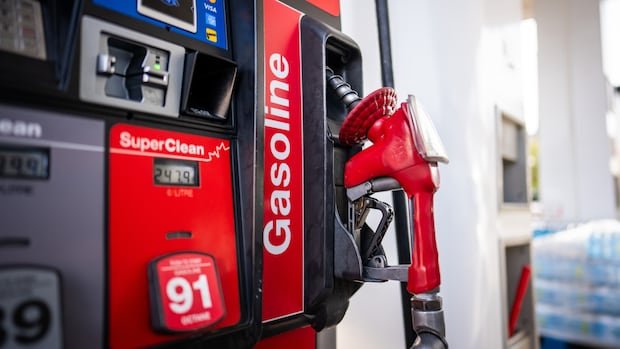
Specifically, the price of gasoline soared by 28.6 percent compared to the previous year due to the supply disruptions in the Strait of Hormuz and the transition to pricier summer gasoline blends. The closure of the strait amid the U.S. and Israel’s conflict with Iran led to a global rise in energy prices.
Statistics Canada highlighted that the temporary suspension of the fuel excise tax by the federal government helped mitigate the price surge in April. High energy prices were also a key factor behind the inflation rate increase to 2.4 percent in March.
Additionally, the removal of the consumer carbon price by Ottawa ahead of schedule skewed the annual price comparison higher in April. This adjustment resulted in a reduction of approximately 18 cents per liter of gas in April 2025. While this decrease affected the inflation rate over the past year, it now contributed to pushing inflation higher in the current period.
In April, clothing and footwear prices rose by two percent, rebounding from a 0.4 percent decline in March. Rents continued to increase nationally by 3.6 percent year-over-year, slowing down from the 4.2 percent growth in March, with British Columbia experiencing the slowest rate of increase.
Food inflation eased to 3.5 percent in April compared to four percent in March, particularly driven by slower price hikes in grocery items like chicken, fresh vegetables, coffee, and tea following sharp increases earlier in the year. Travel tour prices dropped by 11 percent in April after an 11.5 percent rise in the previous month.
Core inflation, excluding volatile items such as fuel and food, rose at a much slower pace than overall inflation, indicating a softer economic scenario. BMO chief economist Doug Porter noted that aside from fuel and food expenses, inflation levels would be significantly lower. Rising energy prices may be prompting consumers to cut back on spending in other sectors, potentially exerting downward pressure on prices.
The subdued core inflation levels could provide relief to other industries, helping to prevent inflation from escalating even as gas prices impact various sectors. CIBC senior economist Andrew Grantham suggested that airfare price increases due to higher fuel costs were not fully captured in April’s inflation data and may be more evident in summer inflation reports.
Overall, while energy prices surged, other sectors did not experience similar price hikes, highlighting a nuanced economic landscape with varying inflationary pressures across different industries.

