
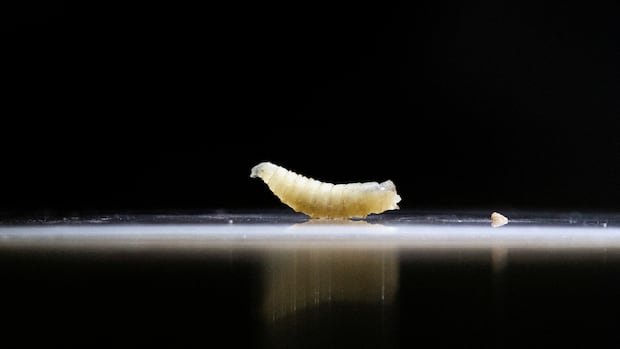
Canada’s beef industry remains safe from the threat of screwworms, but experts suggest that the recent resurgence of these flesh-eating parasites in the U.S. serves as a timely reminder for Canadian farmers and ranchers to enhance their biosecurity measures. The Canadian Food Inspection Agency (CFIA) has imposed temporary restrictions on livestock imports from affected regions in the United States following the detection of New World screwworm in a calf in Texas. The U.S. Department of Agriculture (USDA) has confirmed additional cases in Texas and New Mexico, raising concerns.
While the screwworm is unlikely to survive the harsh Canadian winter, Leigh Rosengren, the chief veterinary officer at the Canadian Cattle Association, commends the CFIA’s proactive measures to prevent potential risks. Rosengren emphasizes the importance of safeguarding Canadian livestock from screwworm infestations to maintain export markets, which are crucial for the country’s agricultural sector.
Historically, screwworm flies plagued cattle ranchers in the Western Hemisphere until eradication efforts in the 1960s. However, a recent outbreak in Central America has led to the parasite’s resurgence, spreading to Mexico and now reaching Texas. The larvae of these flies feed on live flesh, posing a significant threat to animals and humans alike.
Rosengren advises Canadian producers to update their biosecurity protocols, especially for neonatal cows, and maintain close communication with veterinarians for early detection of any issues. While screwworm infestations do not pose a direct food safety risk, they highlight the importance of preserving national herd health in the agriculture industry.
Efforts to combat the spread of screwworm include the release of sterile flies to control the population. The USDA is ramping up the production of sterile flies to reduce the parasite’s impact on wildlife and livestock. Collaborative initiatives between countries in the Americas aim to eradicate screwworm for good, emphasizing the need for international cooperation in addressing this agricultural threat.
In conclusion, while the direct risk to Canadian agriculture is currently low, ongoing vigilance and collaborative efforts are essential to mitigate the potential impact of screwworm infestations and safeguard North American livestock and wildlife populations.

