
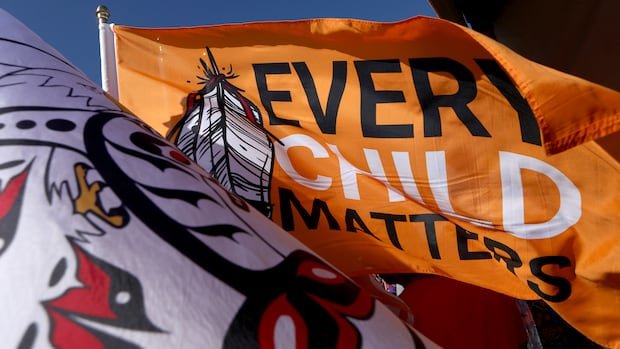
The federal government is engaged in a legal dispute with an Anishinaabe First Nation over the alleged systematic underfunding of on-reserve schools in Ontario, potentially setting a legal precedent. The Mississaugas of the Credit First Nation has initiated proceedings at the Canadian Human Rights Tribunal, contending that Canada’s education funding approach is insufficient, racially discriminatory, and perpetuates the historical injustices suffered by children in residential schools.
Chief Claire Sault emphasized that while the case was brought forth by one community, its implications are far-reaching for all First Nations children in Ontario. The tribunal, a quasi-judicial body handling discrimination complaints, commenced its proceedings in-person at Mississaugas of the Credit, located approximately 90 kilometers south of Toronto.
The First Nation argues in its legal documentation that despite the closure of residential schools, the detrimental effects persist. They highlight that the current “interim funding model,” implemented as a temporary measure in 2019-20, falls short in providing equitable funding comparable to the provincial system, neglects the unique needs of First Nations children, and fails to address the higher operational costs of schools on reserves.
Canada has not yet issued an opening statement but responded in legal filings, acknowledging the enduring impacts of colonialism. However, Canada challenges the First Nation’s claims, stating that the funding model is misunderstood and mischaracterized. The Justice Department points out the lack of specific details on how the funding formula fails to meet the students’ needs, emphasizing a general and unsubstantiated nature of the complaint.
The ongoing legal battle draws on a significant precedent established in 2016, where the tribunal confirmed Canada’s historical discriminatory underfunding of child and family services for First Nations children. This led to a substantial class-action settlement to compensate victims and a proposed reform offer that was rejected by First Nations leaders in 2024.
Indigenous Services Canada spokesperson Maryéva Métellus expressed Canada’s respect for the First Nation’s decision to pursue a tribunal review and assured a respectful participation in the process. The Canadian Human Rights Commission is backing the First Nation’s case, asserting that Indigenous children have a fundamental right to education safeguarded by international and Canadian laws.
The hearing is currently ongoing virtually and is anticipated to span 15 days.

