
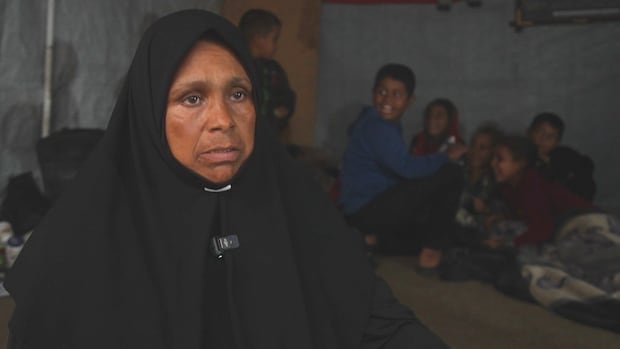
In Gaza City, Reda Aliwa is feeding her 36 grandchildren inside their tent. The children eagerly clamor for food as she serves them rice, the only meal they will have for the night. Despite her best efforts, some youngsters sneak extra bites when she isn’t looking. Aliwa’s children, five in total, tragically perished in two attacks just days apart while seeking refuge at a camp in Gaza City this September.
Now, at 60 years old, Aliwa and her husband are left to care for their grandchildren as they navigate life in the aftermath of the conflict under a delicate ceasefire. The children are part of the approximately 40,000 kids in Gaza who have lost one or both parents, as reported by the Palestinian Central Bureau of Statistics (PCBS) in April, highlighting what has been termed as “the largest orphan crisis in modern history.”
Aliwa, who sustained injuries in one of the attacks and briefly fell into a coma, emphasized her dedication to her grandchildren, leaving the hospital against medical advice out of concern for their well-being. The family, devoid of stable income sources, relies on sporadic food distributions, struggling to secure enough sustenance.
The children’s education has been disrupted due to the destruction of schools and universities during the conflict, leading to trauma and grief among them. While NGOs have set up temporary learning centers with psychosocial support, the PCBS report highlighted the severe lack of social care and psychological aid for children in Gaza, exacerbating their mental distress and vulnerability.
Living near the “yellow line,” the boundary agreed upon in the ceasefire plan, Aliwa and her family endure constant explosions from ongoing fighting, hindering access for humanitarian aid organizations. Aliwa remains apprehensive about the future, juggling daily tasks while harboring concerns about how her grandchildren will survive if anything happens to her.
Aliwa’s resilience shines through as she conceals her own sorrow from the children, determined to shield them from further pain. She is acutely aware of the children’s struggles with loss and trauma, navigating conversations about their deceased parents with grace and reassurance.

