
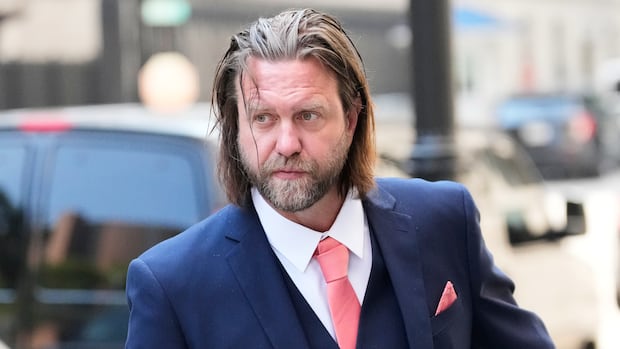
On Monday, Hollywood writer-director Carl Rinsch was sentenced to two and a half years in prison after being found guilty of defrauding Netflix out of $11 million US (approximately $15.6 million Cdn) for an unfinished sci-fi series. Supporters, including actor Keanu Reeves, had requested that the court extend leniency toward him.
Rinsch, recognized for the 2013 film 47 Ronin, was convicted in December on charges of federal wire fraud among others. Prosecutors and testimony from the trial revealed that he informed Netflix he required the $11 million US to complete a project titled White Horse, but instead diverted those funds into a personal account, spending large amounts on luxury items such as cars, watches, clothing, and even $638,000 US on two mattresses.
At 48 years old, Rinsch and his legal team conveyed to the court on Monday that his actions were influenced by mental health issues and medication challenges, which they claimed he is now addressing with a new provider.
“This situation has compelled me to face aspects of my health, judgment, and life,” Rinsch stated. He expressed remorse for his actions, recognized that “real harm was inflicted,” and admitted he “failed to acknowledge the perilous state [he] found himself in.”
Details regarding his mental health challenges were not disclosed in court, and both he and his attorneys opted not to elaborate on them afterward.
Prosecutors contended that Rinsch — who also has a restitution obligation of approximately $11 million US — should face a five-year prison sentence.
“Mr. Rinsch enjoyed every conceivable advantage,” including wealth from his family, a prestigious education, celebrity connections, and a successful career, stated prosecutor David Markewitz. The prosecutor characterized Rinsch’s motive as one driven by “unadulterated greed.”
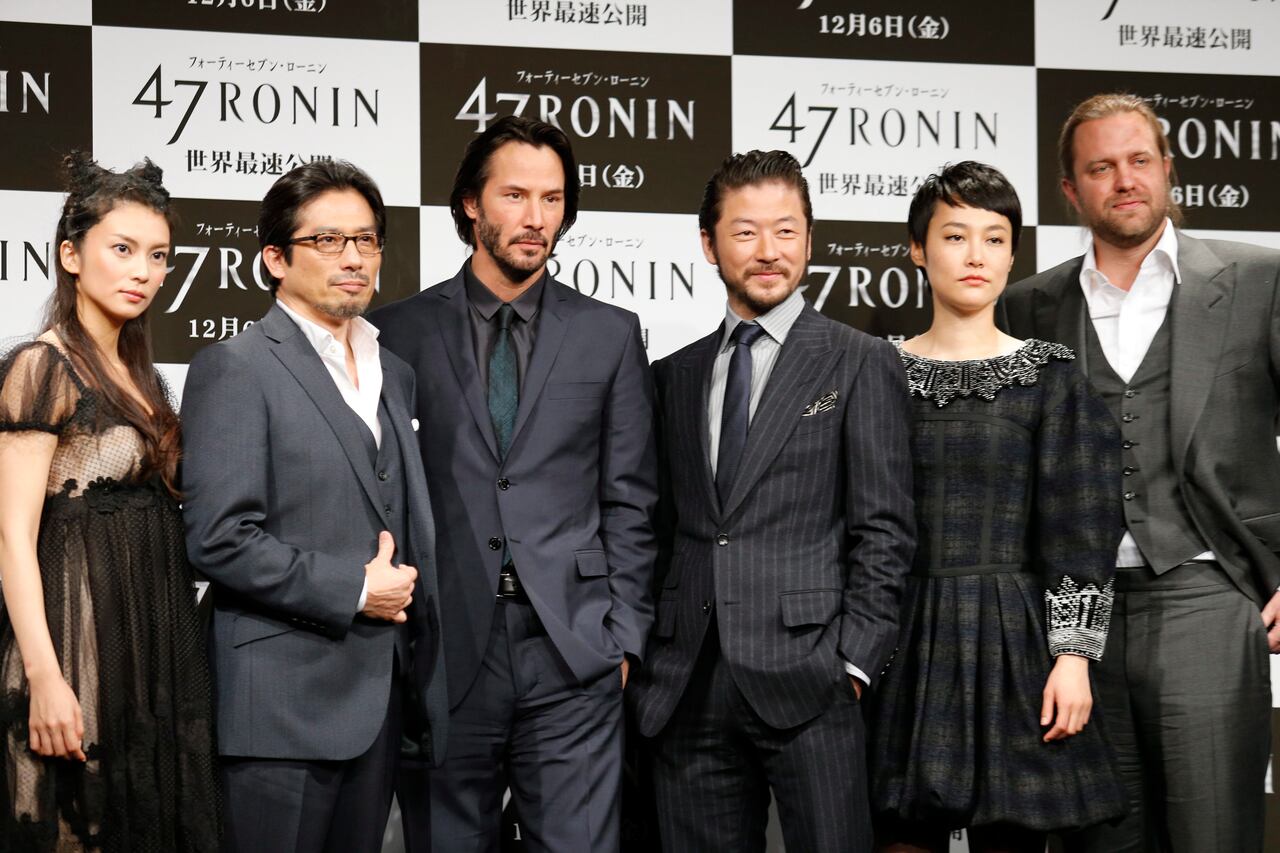
Rinsch, far right, poses alongside actors Ko Shibasaki, Hiroyuki Sanada, Keanu Reeves, Tadanobu Asano and Rinko Kikuch during a news conference to promote the film 47 Ronin in Tokyo on Nov. 18, 2013. (Shuji Kajiyama/The Associated Press)
Rinsch, who has also worked under the name Carl Erik Rinsch, originates from the Los Angeles area and began creating short films in his teenage years. He later ventured into directing commercials before gaining recognition for 47 Ronin, which features Reeves.
Reeves submitted a letter to the court prior to sentencing, stating that Rinsch provides “exceptional joy and warmth to those around him” and offers “creative inspiration to others through his artistic vision.”
While Reeves admitted he was unaware of the case specifics, he recognized that Rinsch “can undermine himself by inflating the scale, scope, and context of what was agreed upon.” He expressed hope that the director’s sentence “might incorporate elements of leniency and mercy alongside justice.”
Extravagant expenditures and investments
Prosecutors indicated that Netflix initially compensated Rinsch approximately $44 million US for White Horse in 2018 and 2019, and subsequently provided an additional $11 million US in 2020, after he claimed he needed more funds to finalize production.
However, rather than utilizing that money for the show, Rinsch redirected the funds to a personal account, making a series of unsuccessful investments that resulted in losing about half of the $11 million US within a few months, according to testimonies from prosecutors and witnesses.
They reported that he invested the remaining money in cryptocurrency, which yielded some profit that Rinsch subsequently deposited into his private bank account.
-
Netflix backs away from offer to buy Warner Bros.
-
Michael becomes the highest-grossing biopic of all time â despite criticisms
Following this, prosecutors detailed Rinsch’s extravagant spending, which included the purchase of five Rolls-Royces, a red Ferrari, $652,000 US worth of watches and apparel, the costly mattresses, and an additional $295,000 US on luxury linens. Moreover, he allocated some of the funds to settle about $1.8 million US in credit card debts, as per prosecutors’ statements.
U.S. District Judge Jed S. Rakoff remarked that Rinsch’s mental health issues “might clarify some of the excesses” but do not “diminish the court’s finding that he was intent on deceiving to acquire substantial funds from Netflix and on lying to conceal it.”
As Judge Rakoff announced the sentence, Rinsch was seen writing on a piece of paper in front of him, while one of his attorneys, Benjamin Zeman, offered him a supportive pat on the back.
After the proceedings, Rinsch, who is expected to report to prison in September, embraced several supporters present in court. He and his legal team refrained from making comments upon leaving, although lawyer Daniel McGuinness indicated they anticipate appealing the ruling.
Netflix opted not to comment regarding his sentencing.

