
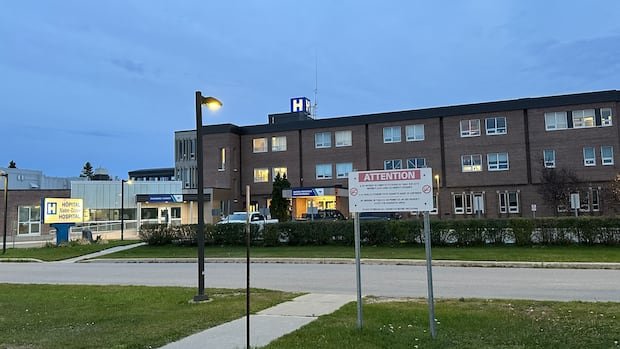
An expert witness testifying at the inquiry into the fatalities of five individuals in Constance Lake First Nation due to a fungal disease outbreak has pointed out systemic failures in the healthcare system that disproportionately impact Indigenous people.
Dr. Suzanne Shoush emphasized that while Indigenous heritage may have contributed to the fatalities, the responsibility lies with the overall system rather than any individual. Drawing on her experience as a family physician in northern Ontario and her current role as director of Inner City Health Associates in Toronto, she highlighted the need for Indigenous-focused solutions to address issues like homelessness.
Shoush underscored the historical context of anti-Indigenous racism in Canada, citing the relocation of First Nations to inadequate reserves lacking essential infrastructure. She noted the disparity in healthcare access, such as the absence of a hospital in Constance Lake compared to nearby towns like Hearst.
The witness referenced cases like Jordan River Anderson, Brian Sinclair, and Joyce Echaquan to illustrate systemic racism in healthcare, which creates barriers for Indigenous individuals seeking medical assistance. Shoush expressed deep concern over the grief and trauma experienced by both Hearst and Constance Lake First Nation during the blastomycosis outbreak.
Regarding trust issues in healthcare delivery, Shoush observed instances where patients faced difficulties in accessing appropriate care, leading to tragic outcomes. She highlighted the need for building trust with Indigenous communities and enhancing representation in healthcare leadership roles.
To address these challenges, Shoush proposed empowering Indigenous communities to collect their health data, providing cultural competency training for healthcare professionals, and promoting Indigenous representation in healthcare leadership. She emphasized the importance of recognizing and addressing the humanity and grief of all individuals involved.
The ongoing inquiry aims to shed light on these systemic issues and pave the way for restorative justice in healthcare.

