
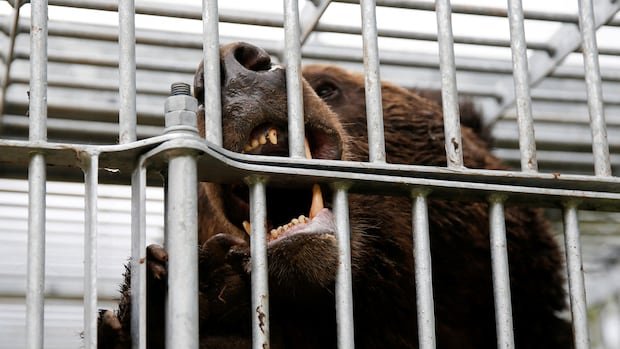
Japan has deployed soldiers to address a rise in bear attacks that have alarmed residents in Akita, a mountainous region in the country’s north. The encounters with brown bears and Asiatic black bears, which have led to injuries and fatalities, have become frequent as the bears search for food near schools, train stations, supermarkets, and a hot springs resort.
Since April, over 100 people have been injured and at least 12 killed in bear incidents across Japan, as per Environment Ministry data. The bear population’s intrusion into residential areas is particularly concerning in a region with an aging and diminishing human population, coupled with a shortage of individuals trained to hunt bears.
Soldiers will be assisting in setting traps, transporting local hunters, and managing dead bears, as part of a joint effort between the Defence Ministry and Akita prefecture. Authorities have clarified that soldiers will not resort to firearms to control the bear population.
This operation has commenced in Kazuno city, a hotspot for bear sightings and injuries. Soldiers in white helmets, equipped with bulletproof vests, bear spray, and net launchers, have initiated trapping efforts in the area. Local orchard operator Takahiro Ikeda lamented the loss of over 200 apples devoured by bears before harvest.
Akita Governor Kenta Suzuki expressed desperation due to manpower limitations in dealing with the bear issue. Defence Minister Shinjiro Koizumi emphasized that while protecting citizens is crucial, the primary focus of service members remains national defense, and unlimited support for bear response is unsustainable given the understaffed Japanese Self-Defence Forces.
The bear problem in Akita prefecture, where over 50 attacks, including four fatalities, have occurred since May, continues to escalate. Experts highlight that the majority of attacks take place in residential areas, emphasizing the need for proactive measures to address the situation.
The growing concern is attributed in part to Japan’s aging and declining rural population, which has facilitated bears encroaching into human settlements. To manage the bear population, experts advocate for culling activities, suggesting that police and other authorities be trained as government hunters to assist in controlling the bear numbers.
The government has initiated a task force to establish an official bear response strategy by mid-November, focusing on bear population surveys, enhanced communication for issuing bear warnings, and revisions to hunting regulations. The absence of preventive measures in northern regions has contributed to the surge in bear numbers, according to the ministry.

