
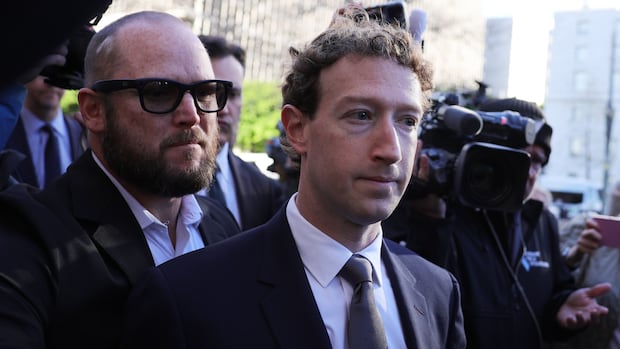
Meta is set to undergo a highly significant trial starting Tuesday, having already faced two setbacks this year regarding child safety on its platforms.
Jury selection occurred last week in Oakland, California, for a federal trial overseen by U.S. District Judge Yvonne Gonzales Rogers. The eight-member jury will deliver a verdict, but their role is advisory; the final decision rests solely with Judge Rogers.
Expected to span at least six weeks, this trial may see Meta’s CEO Mark Zuckerberg and Instagram’s head Adam Mosseri called to provide testimony.
Further details about the trial and the implications are outlined below.
Who is initiating the lawsuit?
The case traces back nearly three years when a coalition of states, led by officials from both major U.S. political parties, filed a lawsuit together in federal court in California. The complaint claims that Meta, which owns Facebook, Messenger, Instagram, and WhatsApp, violated federal regulations by gathering data on users under the age of 13 without obtaining parental consent.
The 233-page complaint asserts that Meta has employed misleading tactics to hide the dangers and addictive nature of its platforms for younger audiences, profiting from their engagement through data collection and targeted advertising.
Meta is facing a major U.S. trial over allegations it designed Facebook and Instagram to keep young users hooked and misled consumers about their safety.
The trial will initially involve four states: California, Colorado, Kentucky, and New Jersey. An additional twenty-five states may pursue their own legal actions in the future, although a negative ruling for Meta in this case—likely to be appealed—could prompt the company to seek settlements to avoid further expensive litigation.
“The state attorneys general are going all in,” remarked Eric Goldman, a professor and co-director of the High Tech Law Institute at Santa Clara University School of Law, to The Associated Press. “They aim to establish a clear precedent in this matter and are requesting significant damages, as well as extraordinary structural remedies if they prevail.”
Last week, Judge Rogers rejected a request from Meta to block a critical witness for the plaintiffs, Arturo Béjar, from testifying in the forthcoming trial.
Béjar, a former engineering director at Facebook, previously testified in a case brought by New Mexico, revealing that Facebook was aware, through internal studies, that it was causing online harm to teenagers—such as bullying and exposure to inappropriate images—but did not take appropriate measures. He described Meta’s safety protocols as “insufficient” and claimed the company lacks adequate staffing to address safety violations.
What are the demands?
The states have not disclosed the specific monetary damages they are pursuing. However, Meta has stated in legal documents that it may be liable for damages reaching up to $1.4 trillion US during the trial. This amount is nearly equivalent to the company’s total market capitalization, which reflects the value of all its shares on the stock market.
“A financial penalty of that magnitude has no precedent in consumer protection enforcement history,” Meta claimed in a court filing last month.
-
Canada vows to restrict social media for kids under 16. Teens say they’ll ‘always find a way’
-
More countries are pushing for youth social media bans. Is the world reaching a tipping point?
If Meta is found liable, the court will ultimately decide the financial penalty, and some legal analysts argue that the $1.4 trillion US figure is unrealistic.
“It’s not feasible considering Meta’s financial capacity to pay,” stated James Grimmelmann, a law professor at Cornell Law School and Cornell Tech, to AP. “An award of that scale would lead to bankruptcy for Meta, erase its owners, and effectively place Meta under state ownership.”
In addition to financial penalties, the attorneys general from the four states are also requesting the judge to mandate modifications to Meta’s platforms, such as imposing age restrictions and removing infinite scrolling features.
Meta’s response
Meta contests the allegations and asserts that the trial evidence will reflect its dedication to supporting young users.
“We have taken feedback from parents, collaborated with experts and law enforcement, and conducted comprehensive research to grasp the most pressing issues,” the company stated in a release.
Since the initiation of the lawsuit, Meta has implemented new safety initiatives. It has introduced private teen accounts on Instagram, which are automatically set to private and incorporate messaging and content restrictions along with parental controls. The company also employs artificial intelligence to detect whether users under 13 are accessing Instagram or if teens are misrepresenting their age to access adult accounts.
A New Mexico judge has ordered Meta to pay $567 million US after finding the company created a public nuisance and misled consumers about the safety of its platforms for children. Meta says it will appeal the ruling.
Meta’s legal challenges
Last month, Meta experienced a rare decline in profits, partly attributed to $2.4 billion US in legal costs.
In the New Mexico lawsuit, which Meta is contesting, jurors in March mandated the company to pay $375 million US in civil penalties. Following that, the judge imposed an additional $567 million US in damages, primarily allocated for treatment services for youth and awareness and prevention initiatives.
-
New Mexico court orders Meta to pay $567M to address platforms’ harms to young people
-
Jury in Los Angeles finds Meta and YouTube liable in landmark social media addiction trial
The judge mandated new safety protocols on the platforms for users within that state, which include time limitations for minors and restrictions on AI chatbots.
Over 1,000 school districts across the U.S. have filed lawsuits against social media firms, including Meta, alleging that these companies have caused harm to students by contributing to anxiety, depression, and self-harm. A rural school district in Kentucky was initially set to be the first to go to trial, but a settlement was achieved in June.
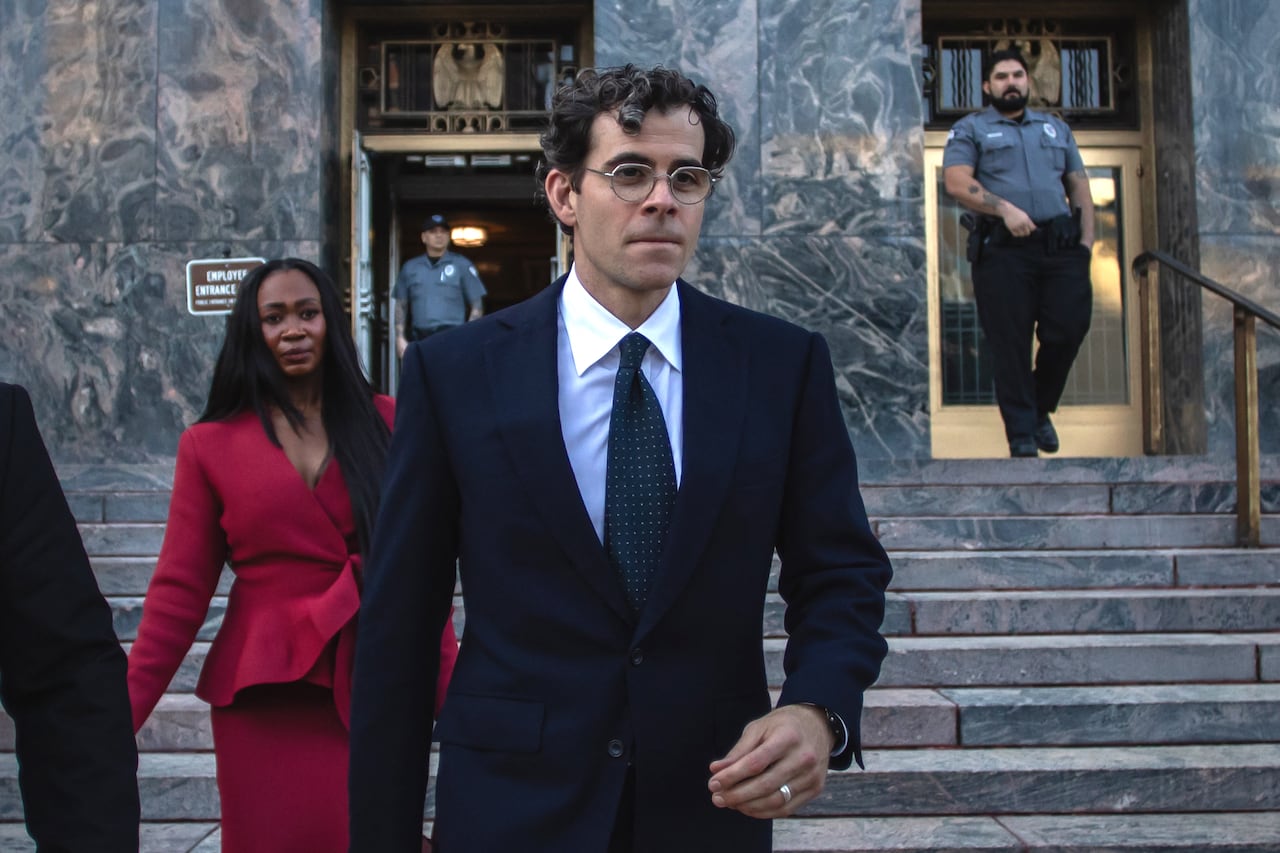
Adam Mosseri, head of Instagram, is shown after testifying at trial in Los Angeles Superior Court on Feb. 9. (Apu Gomes/AFP/Getty Images)
Public records indicate that Meta was responsible for contributing $9 million US of the total $27 million US the district was slated to receive, with the owners of Snapchat, TikTok, and YouTube also liable for damages.
This year, Meta was held accountable in a civil trial in Los Angeles Superior Court for 70 percent of the $6 million US in damages awarded to a young woman who testified that she became addicted to social media during her childhood, which worsened her mental health challenges. Alphabet, the parent company of YouTube, was deemed responsible for the remainder of the amount.
Both Zuckerberg and Mosseri provided testimony during that trial. Zuckerberg mentioned that the company’s protocols restrict Instagram access for users under 13 and that efforts are made to identify users who have lied about their age, while Mosseri expressed disagreement with the notion that social media platforms can lead to clinical addiction.
Mosseri stated, “It is not beneficial for the company in the long term to make choices that yield profit but are detrimental to individuals’ well-being.”
Currently, Meta is also defending against allegations in Tennessee, where the state’s attorney general asserts that Instagram was deliberately designed to be addictive and that Zuckerberg was repeatedly cautioned by certain Meta employees regarding research showing a negative impact on teenagers, but he allegedly chose not to invest in measures to mitigate those issues.
Additionally, Meta is facing lawsuits in Canada over claims of harm to young users, brought forth by individuals and school boards, among others.

