
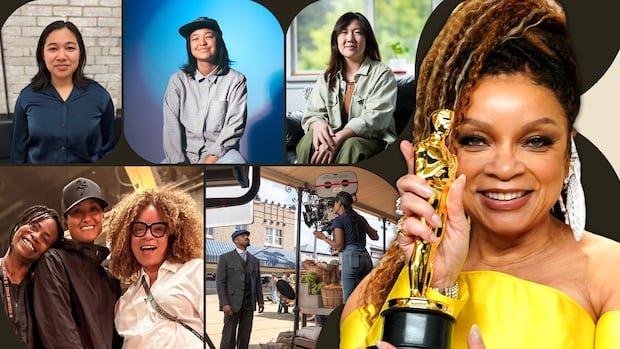
After creating costumes for nearly 50 films over a span of 40 years, Ruth E. Carter, an acclaimed costume designer who has won an Oscar and is currently nominated for the film “Sinners,” reflects on the industry’s evolution. Carter emphasizes the intentional efforts made to break down barriers in Hollywood, prioritizing authenticity and diverse storytelling that had been lacking in mainstream productions.
Throughout her career, Carter collaborated with pioneering directors such as Spike Lee, John Singleton, and Keenen Ivory Wayans, embracing unconventional approaches that garnered attention and paved the way for inclusivity and change. Her dedication to diversity is evident in her fifth Academy Award nomination for costume design in Ryan Coogler’s “Sinners,” making her the most recognized Black woman in Oscar history. Notably, Carter clinched two Oscars, one for “Black Panther” in 2019 and another for its sequel in 2023.
Carter’s commitment to mentorship is evident as she always has an intern by her side, treating them as an extension of herself, a practice she adopted from Spike Lee’s emphasis on increasing representation behind the camera. This mentorship approach is fostering a significant shift in the film industry, providing opportunities for racialized creatives to gain experience and recognition in the field.
The narrative of breaking industry barriers and championing diversity is echoed by younger filmmakers who are actively uplifting each other within their communities, fostering a supportive network that opens doors for underrepresented voices. This collective effort is reshaping the industry landscape, offering hope and inspiration for future generations.
The significance of representation and relationships in the film industry is highlighted by the journey of cinematographer Autumn Durald Arkapaw, whose connection with Rachel Morrison led to her groundbreaking nomination and win for best cinematography in “Sinners.” This example underscores the impact of relationships and support in facilitating recognition and progress within the industry.
The spirit of collaboration and mentorship resonates with emerging filmmakers like Thea Loo, Rachel Chen, and Lauren Yim, who emphasize the importance of networking and supporting fellow BIPOC women in the industry. By sharing knowledge, creating connections, and advocating for inclusivity, these professionals are paving the way for a more diverse and equitable film landscape.
Visibility and access to opportunities are crucial for success in the industry, as emphasized by production designer Hannah Beachler and Cheryl Marion, who advocate for representation and empowerment of marginalized voices in behind-the-scenes roles. By championing diversity, fostering mentorship, and amplifying underrepresented perspectives, these industry trailblazers are catalyzing a transformative shift towards a more inclusive and equitable creative space.

