
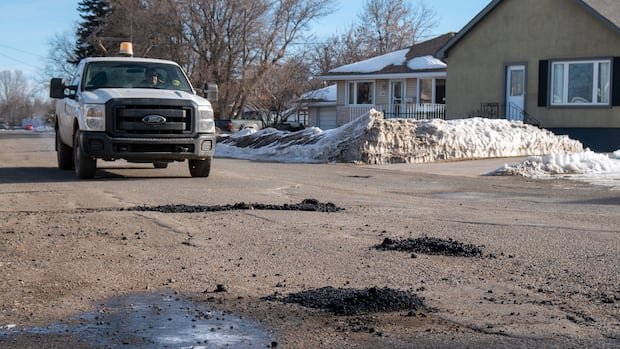
The City of Thunder Bay is set to revolutionize its pothole tracking system by adopting artificial intelligence technology. Ian Spoljarich, the city’s roads manager, revealed that they are seeking an automatic pothole detection system to enhance road maintenance efficiency. This new technology will replace the current manual inspection process, which relies on traditional methods like pen, paper, and logbooks.
The proposed system involves utilizing smart cameras mounted on city vehicles to scan and analyze road conditions while driving. It will automatically detect and record any road deficiencies, allowing for efficient review and tracking of road deterioration over time. The primary focus is on cataloging potholes, cracks, and infrastructure issues by capturing images, a feature not previously utilized by Thunder Bay.
The city’s request outlines the need for a camera or sensor-based system capable of detecting potholes, geotagging them, generating repair work orders, and seamlessly integrating with existing maintenance management software. Privacy protection is a top priority, with requirements for automatic data disposal of irrelevant information like license plate numbers and individuals’ faces.
The planned automated system will be installed on two road patrol vehicles, with hopes of implementation before winter if a vendor is selected promptly. Funding for the project will come from the city’s current capital and operating budgets, although specific cost details remain undisclosed until the contract award.
Thunder Bay’s initiative follows in the footsteps of other municipalities, including Durham Region, Markham, Kingston, Vaughan, and Richmond Hill, which have already tested similar AI systems like CityROVER AI. These systems leverage various approaches such as camera-based, sensor-based, and smartphone-based technologies to identify potholes and monitor road conditions effectively.
According to Khalid Elgazzar, a Canada Research Chair at Ontario Tech University, these AI systems offer cities and residents numerous benefits, including faster and data-driven road maintenance, leading to improved road safety, reduced vehicle damages, and enhanced public satisfaction. Despite valid privacy concerns, Elgazzar reassures that measures are in place to mitigate data storage and access risks, ensuring the protection of residents’ information.
In conclusion, Thunder Bay’s adoption of AI technology for pothole detection signifies a step towards more efficient and proactive road maintenance practices, aligning with the trend seen in other forward-thinking municipalities across Ontario.

