
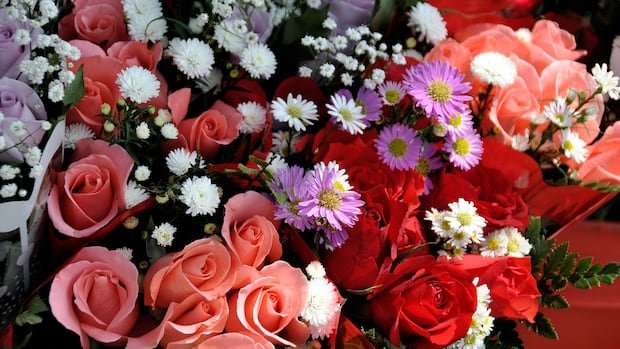

On Mother’s Day, flowers serve as more than just a token of appreciation, as they are a profound expression of emotions such as love, gratitude, and joy.
Appreciated for their beauty and scent, flowers have a rich history of conveying sentiments and brightening one’s day.
According to a study by Statistics Canada, over 425 million flowers were harvested in greenhouses across the nation in 2025.
Biologist David George Haskell highlights that beyond their visual and aromatic appeal, flowers have a remarkable evolutionary journey that often goes unnoticed.
Flowering plants emerged approximately 130 million years ago and rapidly spread worldwide, now constituting about 90% of all plant species on Earth.
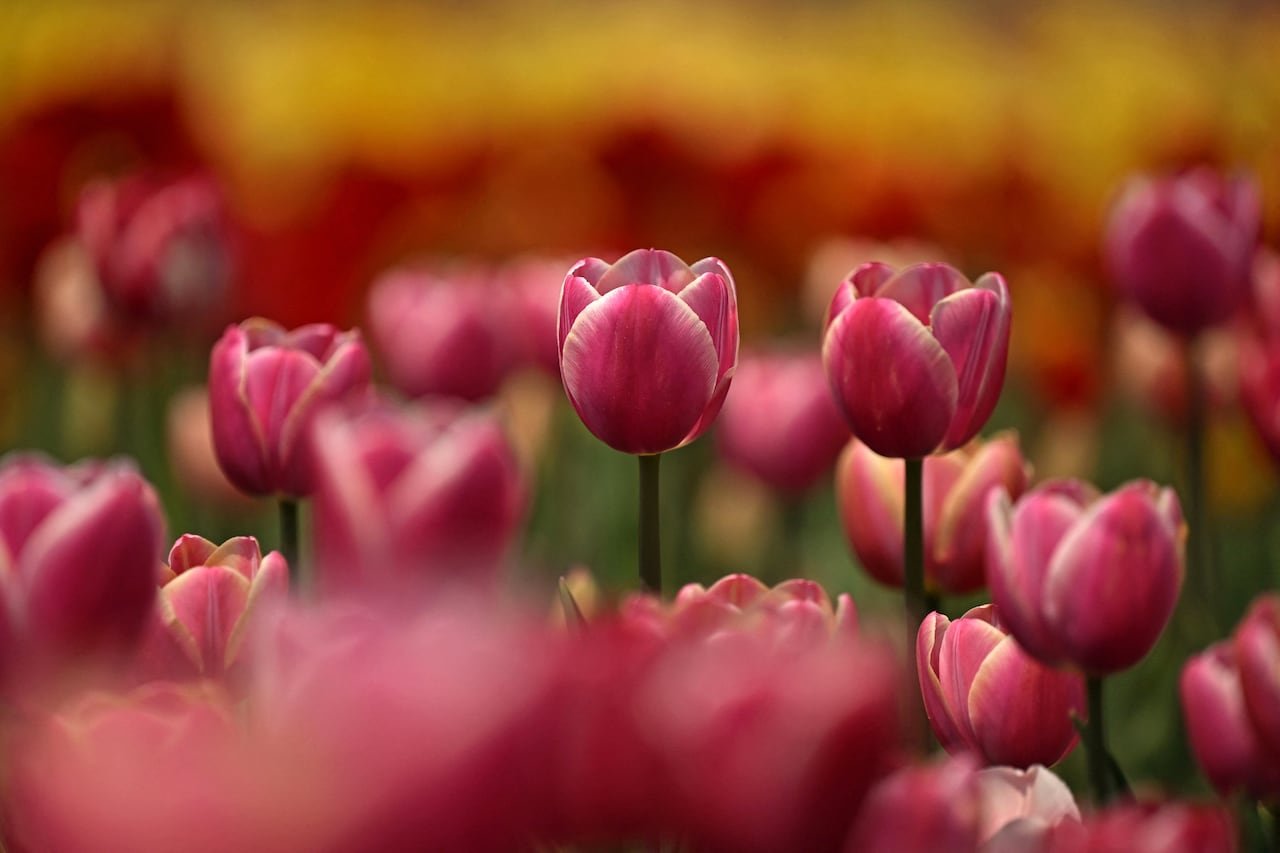
One of the significant advancements in flowering plants, as per Haskell, was the consolidation of male and female reproductive structures within a single flower.
Previously, these roles were often segregated among different plant parts or even different plants altogether.
Haskell explains that this unity allows insects visiting the flower to both transfer and receive pollen efficiently, enhancing the reproductive process.
Flowers evolved vibrant petals and scents to attract insects and other pollinators, creating a mutually beneficial relationship, he adds.
While natural elements like wind can aid in pollen transfer, insect pollination offers greater precision and efficacy in this process.
The ingenious evolution of flowers lies in their establishment of novel partnerships between plants and animals, reshaping ecosystems, says Haskell, author of How Flowers Made Our World.
These partnerships have led to the diverse shapes, colors, and scents seen in flowers today, reflecting millions of years of co-evolution with animals.
For instance, flowers pollinated by hummingbirds are typically red, while those attracting bees feature shades of blue, yellow, or pink with specialized landing structures.
Biology professor Susan Dudley notes that flowers have developed unique adaptations to effectively lure pollinators based on their preferences and behaviors.
She further explains how flowers’ offspring are aided by fruit, which protects seeds and aids in their dispersal.
Fruit not only assists in seed transportation but also influences what animals eat and how they survive, shaping ecosystems.

