
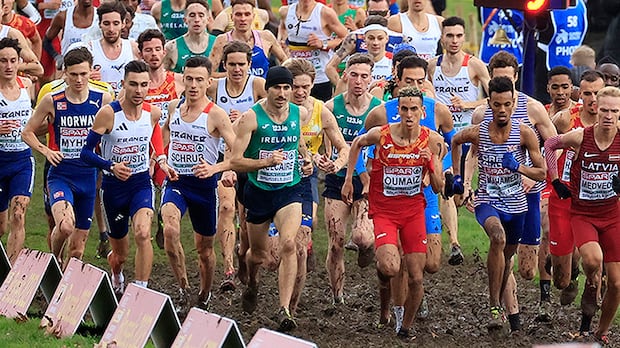
On Wednesday, the organizers responsible for traditional snow and ice sports expressed their opposition to the inclusion of summer federation events in the Winter Olympics lineup.
Suggestions for new events, such as cyclocross and cross-country running, as well as even some indoor sports, have surfaced for consideration in the upcoming 2030 Winter Olympics set to take place in the French Alps and Nice.
The Winter Olympic Federations group released a statement labeling these as unwelcome “piecemeal proposals.”
According to the group, which includes sports like skiing, skating, biathlon, curling, luge, bobsled, and skeleton, “The Winter Olympic Federations strongly believe that this approach would undermine the brand, heritage, and identity that make the Olympic Winter Games distinctive—a celebration of sports performed on snow and ice, accompanied by unique culture, athletes, and competitive environments.”
Following her official appointment in June, International Olympic Committee president Kirsty Coventry initiated a review of the Winter Games program along with other related issues.
With only 116 medal events, there is potential for expansion in the winter program, especially when compared to the overcrowded Summer Games, which featured 329 events in Paris last year.
Incorporating cyclocross and cross-country running, which are typically contested on muddy terrain, would necessitate changing the IOC’s Olympic Charter rules that stipulate Winter Games sports must occur on snow and ice.
Ivo Ferriani, president of the bobsled and skeleton federation and IOC executive board member for winter sports, stated, “Innovation should concentrate on advancing existing winter sports to engage a wider audience and enhance the appeal of the Olympic Winter Games.”
Ferriani highlighted the inclusion of ski mountaineering, or skimo, which will debut in February at the Milan Cortina Winter Games.
Olympic Influence
Cyclocross and cross-country running have notable advocates within Olympic circles, contributing to the momentum for their proposal for 2030.
David Lappartient and Sebastian Coe, the leaders of the cycling and track and field governing bodies, were both candidates in the IOC election that Coventry won.
However, the proposal failed to sway the president of the International Biathlon Union.
Max Cobb, the American secretary general of the IBU, remarked in a recent interview with The Associated Press regarding the response from winter sports figures, “If they were truly popular sports, they would already be part of the Summer Games, and they are not.”
Cobb further added, “No one is thinking, ‘What a great idea.’ We are all perplexed,” emphasizing that any additions to the Winter Games should originate from “the family of snow and ice sports.”

