
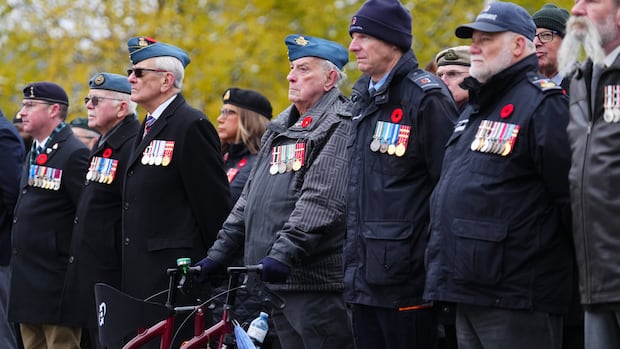
The proposed federal budget, if approved, will alter the method for calculating disability benefits, prompting concerns among military veterans about potentially receiving a less favorable system in the future.
Introduced by Finance Minister François-Philippe Champagne on November 4, the budget suggests changing the indexing formula to rely exclusively on the consumer price index (CPI), or cost of living.
This adjustment is set to take effect on January 1, 2027.
Previously, the annual increase in benefits was based on either the CPI or the average of public service salaries, depending on which was higher. This distinction, which veterans successfully advocated for during the 1980s, is considered significant and generous.
To revert the system to its status from over 40 years ago, Prime Minister Mark Carney’s Liberal government will need to modify existing legislation.
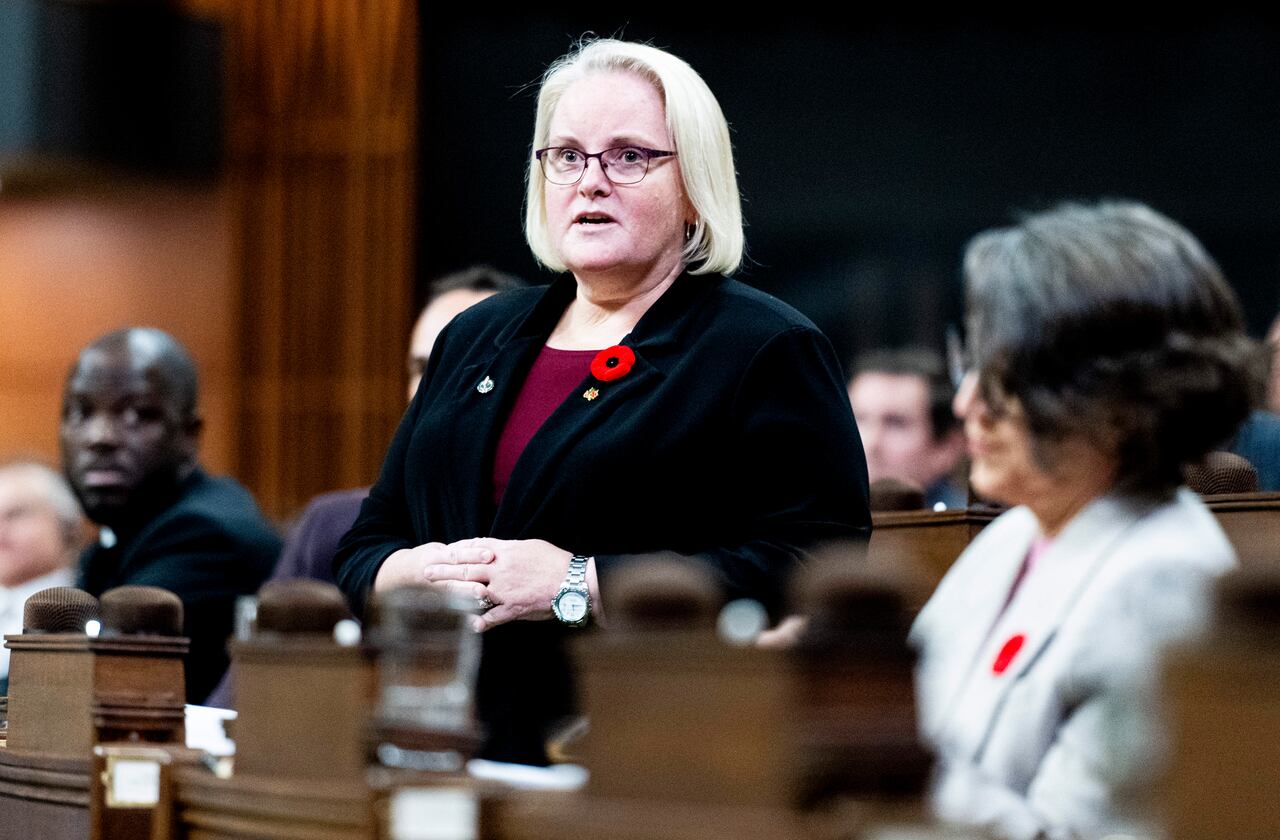
Minister of Veterans Affairs Jill McKnight is shown during question period in the House of Commons on Parliament Hill, in Ottawa on Oct. 31. (Spencer Colby/The Canadian Press)
On Tuesday, following the annual Remembrance Day service in Ottawa, Veterans Affairs Minister Jill McKnight acknowledged that changes are forthcoming.
“We are making adjustments to align with various other services and benefits provided across the government for consistency,” McKnight stated in an interview with CBC News.
She stressed that the government is not eliminating or cutting any benefits, but rather restructuring the system to ensure “consistency.”
When pressed about whether this means veterans might receive lower benefits compared to the current either/or system, McKnight indicated that it is hard to determine.
“Every veteran has unique circumstances, including their service time and release, so it will vary based on individual situations,” McKnight noted, adding that the budget includes over $180 million aimed at enhancing the benefits delivery system.

Some veterans are concerned that changes in the federal budget regarding the calculation of their disability pensions could result in reduced income in the future, and Veterans Affairs Minister Jill McKnight did not provide a clear response on whether eligible veterans would receive less.
‘A widespread impact on veterans’
However, veterans’ advocates are less optimistic in their outlook.
In the long run, Sean Bruyea, a former captain and intelligence officer in the Canadian Forces, indicated that the modification will significantly alter how veterans with disabilities are compensated for their contributions to Canada.
Bruyea, who champions the rights of disabled veterans, pointed out that since January 2005, the CPI has risen by approximately 52 percent, while veteran disability pensions have increased by 70 percent in accordance with federal public service salaries.
He mentioned that the disparity could result in thousands of dollars for individuals over time.
“This calculation influences the entire spectrum of disability benefits for veterans,” Bruyea stated. “Thus, it will have a far-reaching effect on veterans.”
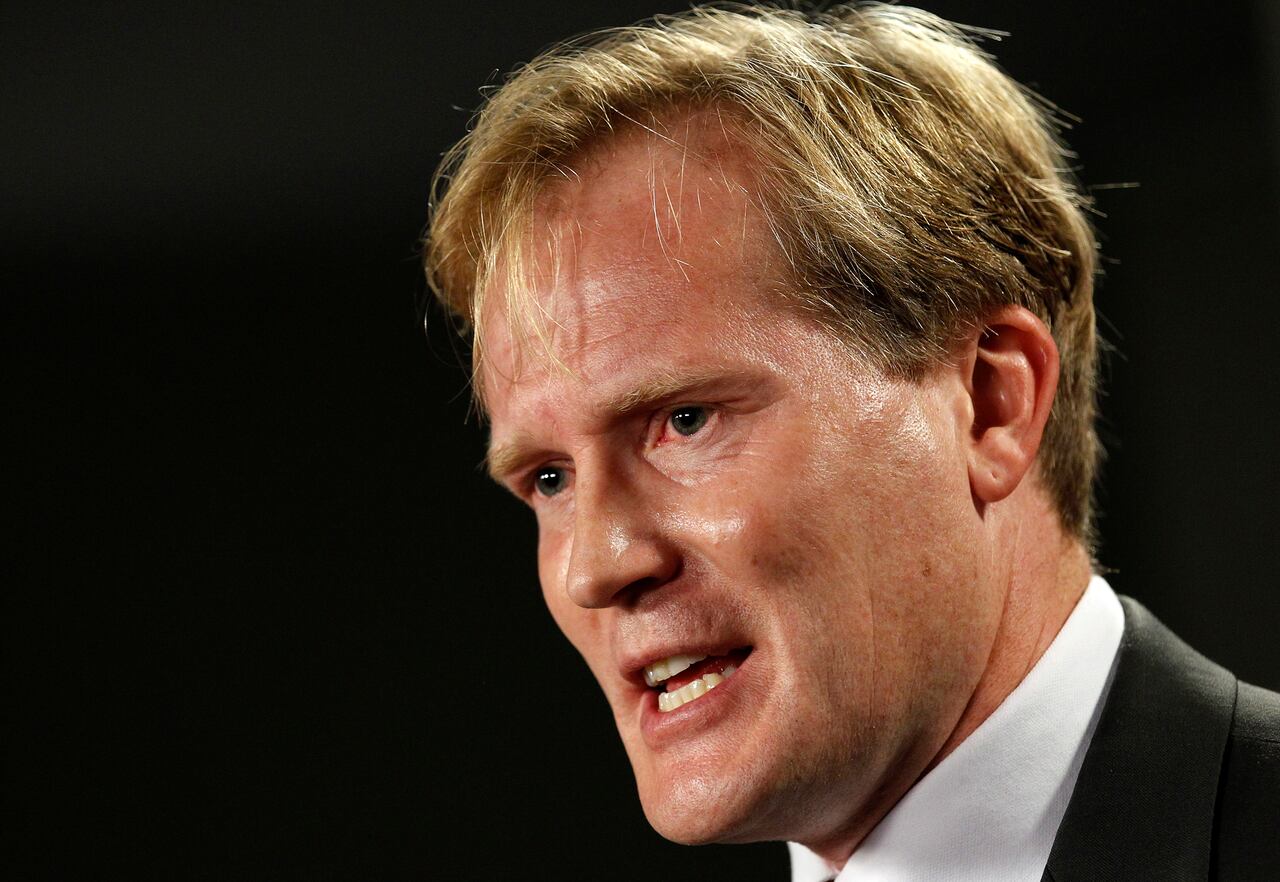
Sean Bruyea, a retired captain from the Canadian Forces advocating for disabled veterans’ rights, asserts that the budget changes will significantly affect their compensation. (Chris Wattie/Reuters)
Bruce Moncur, a former corporal who sustained injuries in Afghanistan in 2006, expressed that it seems the federal government is about to start cutting corners with veterans again.
He highlighted the New Veterans Charter (NVC), which, when introduced nearly two decades ago, recalibrated benefits through a convoluted system that resulted in some injured soldiers receiving less in disability benefits than those injured prior to the new system’s implementation.
The NVC became a contentious issue for then-Prime Minister Stephen Harper’s administration, which faced significant financial repercussions as a result. The resulting dissatisfaction among former soldiers contributed to a shift in their voting patterns from the Conservatives to the Liberals in 2015.
“I’ve already had the rug pulled out from under me once. I would prefer to avoid that happening again,” Moncur remarked, referring to the political struggles surrounding the NVC.
“It felt like I was battling a bureaucratic insurance company. Ultimately, I would say, without exaggeration, that most of my PTSD stemmed not from serving my country but from fighting against my country.”
Moncur pointed out that while the federal government is investing billions in new military equipment and spending millions to recruit new personnel, simply offering signing bonuses and new gear won’t be sufficient to assure individuals that joining the military is the right decision.

