
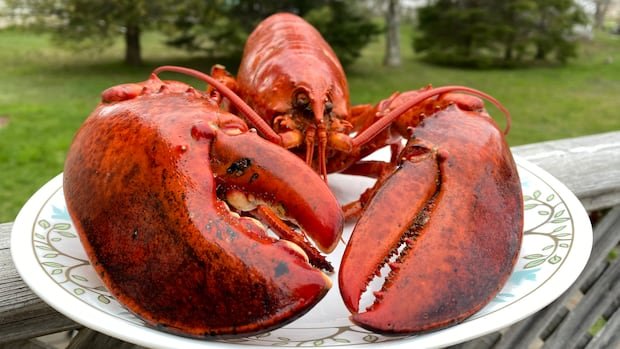
A culinary instructor at Nova Scotia Community College in Cape Breton is educating students on a more compassionate approach to cooking and preparing lobsters. Adam White, who has a background of 15 years as a chef and 20 years as an instructor, has adopted a method inspired by research from England. In December, England announced plans to outlaw the boiling of live lobsters by 2030, recognizing the need for humane treatment of these animals.
White emphasizes the importance of considering the well-being of the lobsters we consume, whether through boiling or other methods. The forthcoming English ban aligns with the Animal Welfare (Sentience) Act of 2022, acknowledging the ability of decapod crustaceans and cephalopod mollusks to feel pain.
Traditionally, chefs boiled lobsters alive in salted water for 11 to 14 minutes, but White advocates for a more humane approach. He now teaches students to freeze lobsters briefly before swiftly and painlessly killing them with a knife between the eyes, reducing their pain perception.
Boiling live lobsters is illegal in several countries like Switzerland, Norway, and New Zealand. England’s decision stemmed from a report by the London School of Economics, which highlighted the pain sensitivity of crustaceans and cephalopods based on research by Professor Robert Elwood from Queen’s University Belfast.
Elwood, an expert in animal behavior, discovered pain responses in lobsters and crabs, challenging the notion of their pain insensitivity. His research underscores the need for more compassionate methods in food preparation to minimize unnecessary suffering among these creatures.
Despite these findings, Nova Scotia’s Department of Fisheries and Aquaculture has not signaled any intention to alter current practices. White’s efforts to teach humane lobster preparation methods reflect a growing awareness and commitment to animal welfare in culinary education.

