
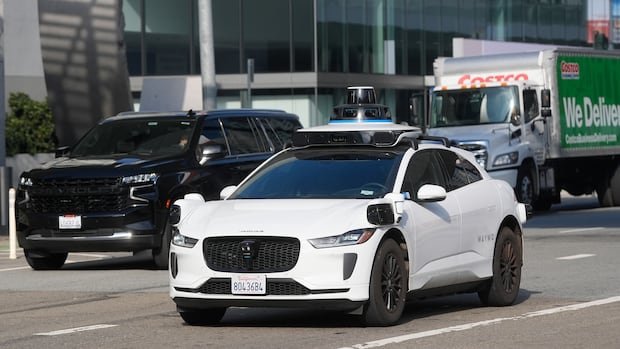
Waymo, a leading autonomous taxi operator, is setting its sights on the Canadian market, with Toronto potentially becoming a new testing ground for its self-driving fleet. Despite this ambition, the California-based company may encounter various challenges, including navigating Canadian winters.
Krzysztof Czarnecki, a professor at the University of Waterloo, highlighted the hurdles Waymo could face in Canada, emphasizing that widespread implementation of robotaxis in the near future is unlikely. While Waymo did not respond to inquiries, the Toronto mayor’s office confirmed a recent meeting with representatives from the company regarding their interest in participating in Ontario’s program for autonomous vehicle testing.
Waymo, a subsidiary of Alphabet, has already deployed its all-electric Jaguar I-PACE vehicles in several U.S. cities, operating similarly to popular ride-sharing services like Uber and Lyft, but without human drivers. The company has also been engaged in lobbying efforts to enter the British Columbia market, which currently restricts fully automated self-driving vehicles.
The safety of robotaxis has been a focal point, with Waymo emphasizing its technology’s advantages over human drivers. Despite claims of enhanced safety records, concerns remain about the technology’s performance in adverse weather conditions and its impact on the job market.
While the transition to autonomous vehicles could disrupt traditional employment in the transportation sector, industry experts suggest that the process will unfold gradually, allowing time for adaptation and planning. As the technology evolves, stakeholders are urged to consider the implications on employment and livelihoods.
Overall, Waymo’s potential entry into the Canadian market signifies a significant step towards the adoption of self-driving technology, albeit with challenges to overcome and societal considerations to address.

