
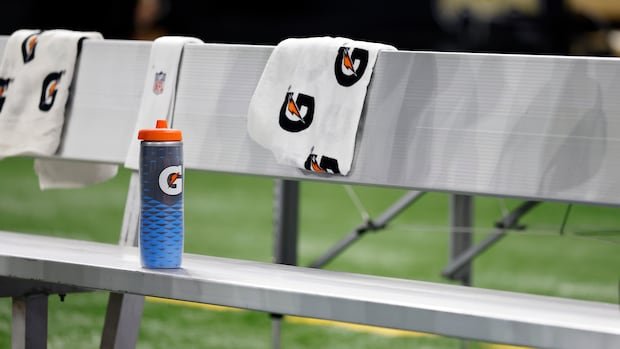
Six decades after creating sports beverages, Gatorade is shifting its focus away from solely targeting athletes. PepsiCo, the brand’s parent company, announced on Thursday their intention to expand Gatorade’s appeal to non-athletes seeking hydration solutions for various activities like travel, leisure walks, or recovering from hangovers. The new packaging emphasizes the unique benefits and scientific research behind Gatorade’s range of drinks and powders.
The shift comes as American consumers show a growing interest in beverages with perceived health advantages. According to Jack Doggett, a food and beverage analyst at Mintel, 60% of sports drink buyers are not athletes but seek the functional components these drinks offer, such as electrolytes for hydration and carbohydrates for energy. Doggett noted that individuals across different age groups are increasingly using these drinks for general wellness and daily upkeep.
Sales of sports drink mixes, including powders from brands like Liquid I.V., Skratch Labs, and Gatorade, surged by nearly 20% in the year ending March 22, as reported by Circana, a market research firm, while bottled water sales remained stagnant during the same period.
Responding to the growth potential in the market, new sports and hydration brands have flooded retail shelves. Mike Del Pozzo, president of U.S. beverages at PepsiCo, highlighted the influx of 150 new brands entering the market in recent years, posing a challenge in maintaining category credibility. In light of this competition, Gatorade aims to clearly indicate products that offer superior or faster hydration than water. A forthcoming product, Gatorade Longer Lasting, combines glycerin and electrolytes to enhance hydration duration compared to water alone.
PepsiCo’s strategy with Gatorade follows similar moves by competitors. Powerade, owned by Coca-Cola Co., revamped its packaging in 2023 to emphasize increased electrolytes. Last year, Powerade introduced Power Water, a sugar-free, electrolyte-enriched beverage targeting non-athletes. Meanwhile, Liquid I.V., initially a sports drink mix founded in 2012, transformed into a wellness and hydration brand after being acquired by Unilever in 2020. LMNT also catered to non-athletes by launching a smaller 12-ounce version of its sparkling electrolyte drink last fall.
Sean Harapko, a beverage industry expert at Ernst & Young Americas, emphasized the importance for companies to differentiate their products clearly amid the plethora of beverage choices available to consumers. While Americans prioritize healthier living, Harapko noted that individuals are defining wellness based on diverse information sources.
Gatorade’s origins trace back to 1965 when Dr. Robert Cade, a physician at the University of Florida, developed the drink to address electrolyte loss in football players. Over the years, Gatorade has evolved under different ownerships, with PepsiCo taking over in 2000. Del Pozzo affirmed Gatorade’s commitment to meeting athletes’ requirements, citing products like Gatorade Thirst Quencher for energy maintenance. However, the introduction of lower-sugar variants and the removal of artificial colors have attracted a broader customer base to the brand.
Travis Masterson, an assistant professor at Pennsylvania State University, noted that while athletes may benefit from specialized hydration products, the average person typically obtains sufficient sodium from their diet. He emphasized that ordinary individuals may rely on natural thirst cues for adequate hydration, questioning the necessity of specialized hydration solutions for everyone.

