
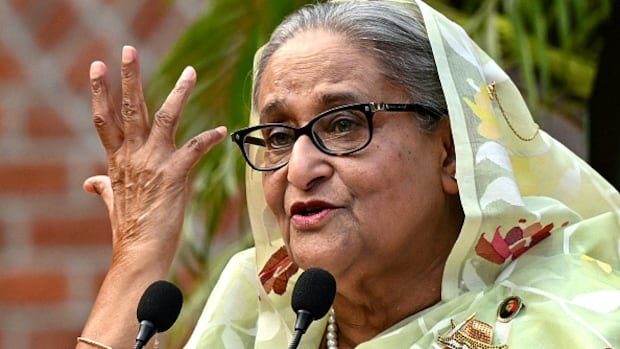
Ousted Prime Minister Sheikh Hasina of Bangladesh was sentenced to death by a war crimes court on Monday following a trial that found her guilty of ordering a deadly crackdown on a student-led uprising the previous year. This ruling marks a significant legal action against a former Bangladeshi leader and comes ahead of anticipated parliamentary elections in early February.
Hasina’s Awami League party has been disqualified from contesting the elections, raising concerns that the verdict could incite further unrest before the vote. The International Crimes Tribunal in Dhaka, Bangladesh’s domestic war crimes court, issued the verdict in Hasina’s absence as she had fled to India in August 2024.
The court sentenced the 78-year-old Hasina to life imprisonment for crimes against humanity and to death for her involvement in the killing of multiple individuals during the uprising. The announcement of the death sentence was met with cheers and applause in the courtroom.
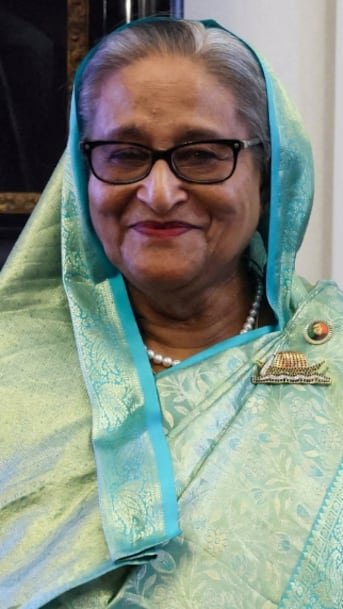
A Bangladesh war crimes court sentenced the ousted prime minister Sheikh Hasina to death. The sentencing concludes a months-long trial that found her guilty of ordering a deadly crackdown on a student-led uprising last year.
The verdict can be appealed in the country’s Supreme Court. Hasina, in response to the ruling, criticized the tribunal as biased and politically motivated, alleging that it aimed to eliminate her as the last elected prime minister of Bangladesh and neutralize the Awami League’s political influence.
During the trial, prosecutors presented evidence suggesting Hasina’s direct orders to use lethal force to suppress the student-led uprising in July and August 2024. Reports from the United Nations indicated that around 1,400 individuals may have died during the protests, with thousands sustaining injuries, mainly from security forces’ gunfire, marking the worst violence in Bangladesh since the 1971 war of independence.
After a month of violent unrest, Bangladesh’s Prime Minister Sheikh Hasina resigned and fled the country. Andrew Chang explains how student-led protests over a government job quota turned into a massive

