
The cost projection for constructing a new medical facility for federal inmates has increased to $1.3 billion, a significant rise from the initial $400 million estimate disclosed in 2021, as per government records and insider information.
Approval for funding the initiative in New Brunswick was granted by the Treasury Board in December 2024, though the revised budget has not been publicly disclosed due to ongoing negotiations with construction companies in Ottawa.
Insiders reveal that the project withstood scrutiny during Ottawa’s spending review leading up to the federal budget on November 4, resisting pressures to slash expenditures within Correctional Service Canada.
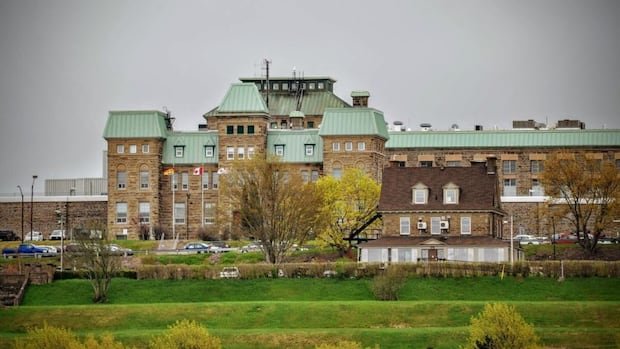
The proposed 155-bed healthcare facility will deliver bilingual mental and physical healthcare services to male and female federal inmates, housed in a new structure that will replace the outdated Dorchester Penitentiary, which is currently operating at one-third capacity.
Situated in the Beauséjour riding under the representation of Dominic LeBlanc, the federal minister overseeing Canada-U.S. trade, the facility is set to be completed by 2032, according to Correctional Service Canada plans.
Dr. Louis Thériault, a psychiatrist at the existing recovery center, has long advocated for improved facilities, citing safety concerns for both inmates and staff at the antiquated Dorchester Penitentiary, which dates back to 1880.
The revised budget for the new medical center is anticipated to exceed the cost of the Confederation Bridge contract by 30%, according to federal sources and documents, with the project aiming to address the diverse medical and mental health needs of federal offenders nationwide.
Despite facing escalated costs, former Public Safety Minister LeBlanc, now serving as finance minister, advocated for maintaining the project’s scope and proceeding as planned, as documented in briefings under the Access to Information Act.
The envisioned facility in southeastern New Brunswick will be erected on the premises of the Dorchester Penitentiary, replacing the current Shepody Healing Centre, with a focus on catering to the intricate medical and psychological requirements of federal inmates across Canada.

