
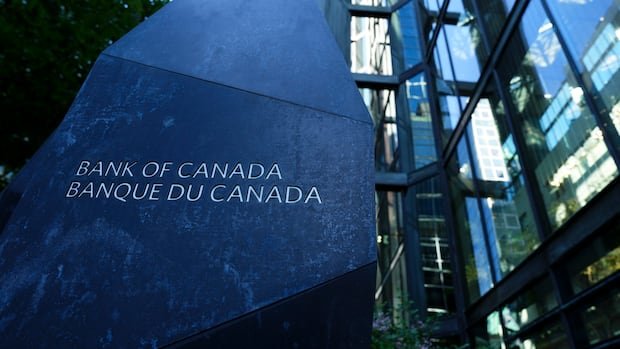
The Bank of Canada decided to maintain its key interest rate at 2.25 percent, anticipating a positive economic recovery following challenges earlier in the year. Despite ongoing uncertainties from the Middle East conflict and trade negotiations with the U.S., the central bank expressed growing confidence in the economy’s resilience.
Bank of Canada Governor Tiff Macklem stated that after a period of stagnation, Canada’s economic growth appears to be back on track. In line with expectations, all 36 economists surveyed by Reuters anticipated the rate hold, with most not foreseeing any changes until at least July of the following year. This decision marked the sixth consecutive time the bank opted to keep interest rates unchanged.
Although Canada experienced economic setbacks in the first quarter, the bank reported “clear signs” of growth resumption in the second quarter. The initial economic contraction caught the central bank off guard, as it had projected 1.5 percent annual growth for the first half of the year.
According to the bank’s monetary policy report, the negative impacts are diminishing as consumer and government spending increase. The bank forecasts a 2.5 percent growth rate in the second quarter, driven by expanding exports that are expected to stimulate business investment in the upcoming months.
Despite a rise in inflation to 3.2 percent in May, primarily fueled by fuel and food prices, the Bank of Canada downplayed concerns about spillover effects on other products. The bank foresees inflation remaining elevated in June before moderating, aiming to reach the two percent target by early 2027.
Macklem emphasized that the inflation outlook is contingent on developments in the Middle East. He warned of potential risks if oil prices continue to soar, which could necessitate rate hikes to counter persistent inflation. However, the bank remains vigilant against allowing higher oil prices to trigger lasting inflation.
The balancing act between rising inflation and sluggish growth presents a challenge for the bank. While higher rates could tackle inflation, lowering rates could stimulate growth. If the bank’s optimistic growth forecast materializes, this dilemma might resolve itself. Macklem acknowledged the lingering risk of prolonged high inflation and slower-than-expected growth.
Amidst short-term positive data influencing a more optimistic outlook, uncertainties, particularly fluctuating oil prices, continue to cloud longer-term projections. BMO’s chief economist, Douglas Porter, anticipates the bank maintaining a steady stance for the remainder of the year, despite a slightly hawkish tone in its communication.

