
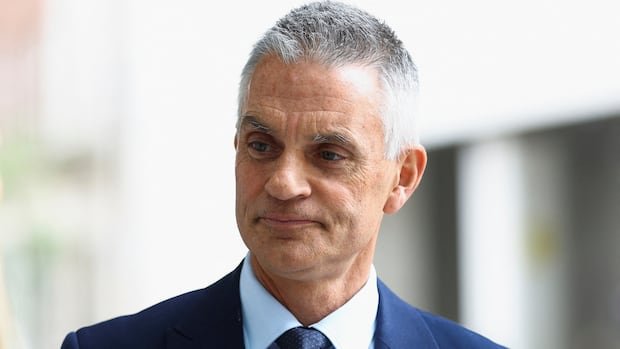
The chief of the BBC and the top news executive of the British broadcaster have stepped down following backlash over the editing of a speech by U.S. President Donald Trump.
Tim Davie, the director-general, and Deborah Turness, the head of news, both tendered their resignations on Sunday. The BBC faced criticism for editing Trump’s speech on January 6, 2021, before the Capitol riot in Washington, with allegations that the edited version was misleading and omitted a part where Trump called for peaceful demonstrations.
In a statement to staff, Davie expressed that his decision to resign after five years was entirely his own. He mentioned working with the Board to ensure a smooth transition to a successor in the coming months. Turness acknowledged the controversy surrounding the Trump documentary and its impact on the BBC, stating, “As the CEO of BBC News and Current Affairs, the responsibility ultimately rests with me.”
Amid the turmoil, Turness defended the integrity of BBC journalists upon her arrival at the network’s London headquarters, emphasizing their commitment to impartiality and refuting claims of institutional bias. Trump, on his Truth Social platform, shared a link to a Daily Telegraph article criticizing the edited speech, denouncing the journalists as dishonest and accusing them of influencing the election process.
The pressure on BBC’s leadership intensified with revelations from a dossier by Michael Prescott, highlighting concerns not only about the Trump speech edit but also the BBC’s coverage of transgender issues and alleged anti-Israel bias in its Arabic service. As a publicly funded national institution, the BBC faces heightened scrutiny compared to its commercial counterparts.
The broadcaster, supported by a mandatory TV license fee, offers a wide array of entertainment and sports content but is primarily scrutinized for its news division. Mandated to maintain impartiality, the BBC often becomes a target for accusations of bias from both ends of the political spectrum.
The BBC’s handling of the Israel-Hamas conflict further stirred controversy, leading to the removal of a Gaza documentary from its streaming service due to the child narrator’s connection to the Hamas government. Political figures from different parties weighed in on the situation, with Conservative leader Kemi Badenoch calling for comprehensive reform within the BBC, while Labour’s Lisa Nandy emphasized the importance of trusted news and quality programming in sustaining democratic and cultural values.
The resignations of Davie and Turness mark a significant chapter in the ongoing challenges faced by the BBC, highlighting the imperative for transparency and accountability in journalism.
[End of rewritten article]

