
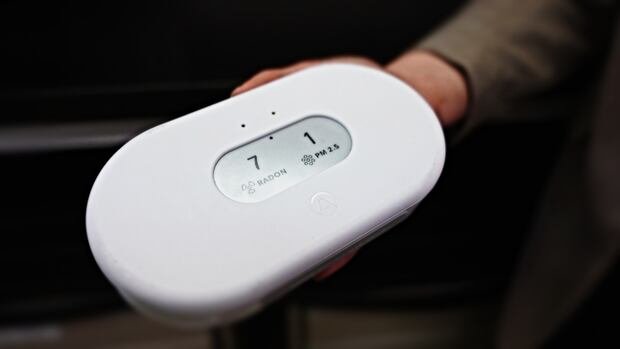
Consumers looking to test their home’s radon levels now have a wide range of radon monitors available for purchase, but caution is advised as many of these devices may not be reliable. According to Pam Warkentin, the executive director of CARST, individuals often unknowingly buy uncertified or unapproved radon detectors, leading to potential inaccuracies in readings. Warkentin emphasized the importance of using certified devices to make informed decisions about radon levels in their homes.
Investing in faulty radon monitors can result in wasted time and money, with electronic monitors costing hundreds of dollars each and requiring a minimum three-month testing period. Warkentin shared an anecdote about a homeowner who unknowingly used a recalled monitor for months, underscoring the risks associated with unreliable devices that may not accurately reflect radon levels in homes.
Inaccurate readings from substandard devices can deter homeowners from taking necessary steps to mitigate radon exposure, a serious health concern linked to lung cancer. Research suggests that millions of Canadian homes have elevated radon levels, contributing to thousands of radon-induced lung cancer deaths annually.
Warkentin cautioned that some radon monitors on the market provide misleading readings, potentially lulling homeowners into a false sense of security regarding their radon exposure.
To ensure accurate radon testing, Health Canada recommends monitoring radon levels for an extended period, particularly during winter when homes are sealed. Consumers have the option to hire professionals or utilize test kits for long-term monitoring.
While some communities offer free radon monitors, homeowners generally bear the cost of purchasing their devices, which range from passive trackers to electronic monitors providing real-time data. However, some devices may yield inaccurate results, as noted by Warkentin.
Health Canada’s radon lab rigorously tests home radon monitors to assess their performance under typical household conditions. Only six electronic monitors are currently approved for use in Canada, with certification overseen by CARST and Health Canada.
Consumers seeking certified radon monitors can access a list of approved devices through the Take Action on Radon program. It is essential for homeowners to verify the certification status of radon monitors before purchase to ensure accurate testing results.
Given the evolving landscape of radon monitor recalls and new product releases, Warkentin advised consumers to stay informed and consult Health Canada’s updated list of non-approved or recalled devices before making a purchase.

