
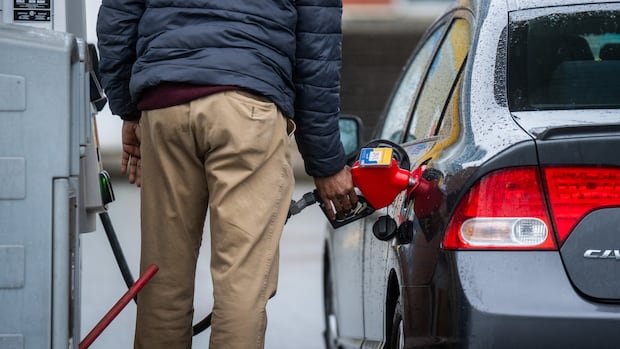
Kuljeet Singh, a Vancouver ride-hail driver, experiences anxiety every time he refuels at a gas station, witnessing the escalating costs with trepidation. The recent surge in gas prices globally following military actions in the Middle East has put a strain on Singh and other ride-hail drivers, exacerbating their financial challenges. As of the latest update on Gasbuddy.com, the average gas price in Canada stands at approximately 168.1 cents per liter, with British Columbia recording even higher prices at 187.3 cents per liter.
Singh, who also serves as the director of the Ride Hailing Driver Association of B.C., estimates an additional $20 to $25 expense each time he fills his vehicle, which he does every three to four days while working for Uber and Lyft. This translates to an extra $150 to $200 monthly to navigate the streets of downtown Vancouver. The escalating fuel costs have left drivers like Singh contemplating longer work hours to cope with the financial burden.
Joe Calnan, the vice president of energy at the Canadian Global Affairs Institute, explains that while Canada is a significant oil producer, the interconnectedness of the global crude market leads to price fluctuations domestically in response to supply disruptions worldwide. Calnan predicts that gas prices will continue to rise as the conflict in the Middle East persists, affecting production and supply chains.
In light of the escalating gas prices, Earla Phillips, the vice president of the Rideshare Drivers Association of Ontario, highlights the challenges faced by drivers who were already struggling to make ends meet due to slim profit margins. Many drivers have resorted to reducing trips and facing financial hardships, with some even turning to food banks for support. Despite efforts by the Ontario and B.C. governments to introduce legislation safeguarding gig workers, concerns remain regarding the adequacy of these measures in ensuring fair compensation and safety.
Phillips shares her personal experience of minimizing fuel costs by being selective in accepting trips, emphasizing the need for sustainable solutions to ease the financial burden on drivers. She suggests that ride-hailing companies like Uber and Lyft consider implementing fuel surcharges for riders during periods of heightened gas prices to alleviate the financial strain on drivers. While Uber had previously introduced a fuel surcharge in response to increased gas prices, the current stance of companies like Uber and Lyft on implementing similar measures remains unclear.
As drivers grapple with the mounting costs of operating as ride-hail drivers, concerns linger about the long-term viability of the profession. Some drivers, like Abdul Jaber, are contemplating alternative income streams due to the diminishing returns of ride-hailing services amidst the escalating gas prices. The future remains uncertain for drivers as they weigh the financial challenges against the sustainability of their current pursuits.

