
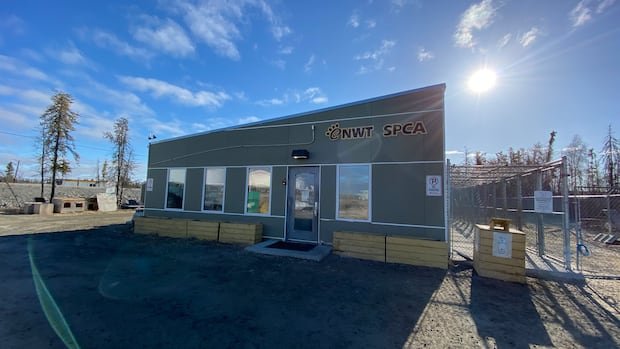
The N.W.T. SPCA is urging the territorial government to recognize domestic animals as sentient beings rather than mere property. Currently, under the Dog Act, dogs are considered the property of their owners in the Northwest Territories. Concerns have been raised by both tourists and residents about the welfare of animals in the region, with the existing legislation limiting authorities’ ability to intervene effectively.
Nicole Spencer, the executive director of the N.W.T. SPCA, highlighted that while the current laws establish basic standards for animal care such as food, water, and shelter, they may not address more intricate welfare issues adequately. This sentiment is echoed by animal welfare lawyer Jennifer Friedman, who pointed out that pets in Ontario, like in many other Canadian jurisdictions, are regarded as property.
However, some provinces are moving towards change. For instance, in 2024, British Columbia broadened the criteria used by courts in family disputes to consider the well-being of pets. Friedman emphasized the importance of not only having clear laws to protect animals but ensuring that these laws are effectively enforced.
Despite calls for reform, the Department of Municipal and Community Affairs, which oversees the Dog Act, stated that there are currently no plans to amend the legislation. Minister Vince McKay explained that the act serves as a foundational document for municipalities to use, and any changes would need to align with broader legislative priorities.
McKay acknowledged the need for potential updates to the Dog Act but emphasized the importance of allowing communities the flexibility to establish their own bylaws to address specific animal welfare concerns. He stressed the balance between providing a baseline of protection for animals and empowering communities to enhance animal welfare through local regulations.

