
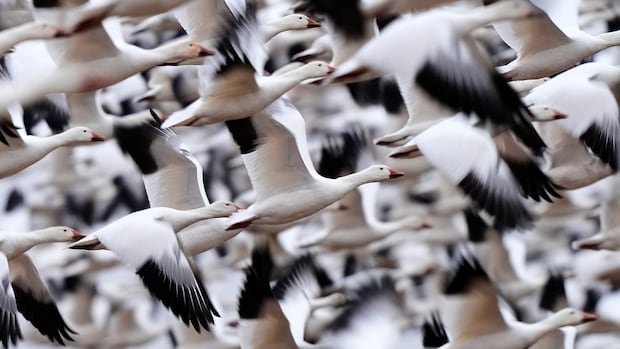
The arrival of spring in Alberta is not just marked by the return of geese, but for those involved in the poultry industry, it signifies the start of the annual migration season, triggering concerns due to the previous year’s severe avian flu outbreaks. Farmers like Scott Olson, a turkey producer from the Wetaskiwin area, are taking precautions to prevent the spread of the virus, which has affected their operations in the past.
Olson, who has faced three avian flu outbreaks since 2022, including one last fall resulting in the culling of his birds by the Canadian Food Inspection Agency (CFIA), is particularly cautious as the migratory birds, such as geese, are expected to arrive soon. The highly contagious nature of avian influenza, which is naturally carried by wild birds and spreads through saliva and excrement, poses a significant threat to poultry farms.
To combat the risk of avian flu, farmers like Olson implement strict biosecurity measures, such as creating controlled access zones around barns, regulating entry into facilities, and ensuring thorough cleaning and disinfection protocols. During peak migration periods, access to farms is restricted, and visitors are limited to minimize the potential transmission of the virus.
The rise in avian flu cases in Alberta last year, with 26 confirmed cases, was attributed to the spring and fall wild bird migrations. The Ministry of Agriculture and Irrigation reported a significant increase compared to previous years, signaling the need for enhanced vigilance within the poultry industry. However, the number of cases in 2026 in Alberta remains at zero, while Canada has recorded nine cases, emphasizing the ongoing threat of avian flu to both wild and domestic bird populations.
Experts suggest that the fluctuations in avian flu cases are closely linked to migratory bird activities and changing weather patterns. Despite the challenges posed by the virus, advancements in biosecurity practices have helped mitigate the spread of avian flu within the commercial poultry sector. The proactive approach taken by farmers like Olson underscores the importance of early detection and stringent biosecurity measures to safeguard poultry populations from the devastating effects of avian flu outbreaks.

