
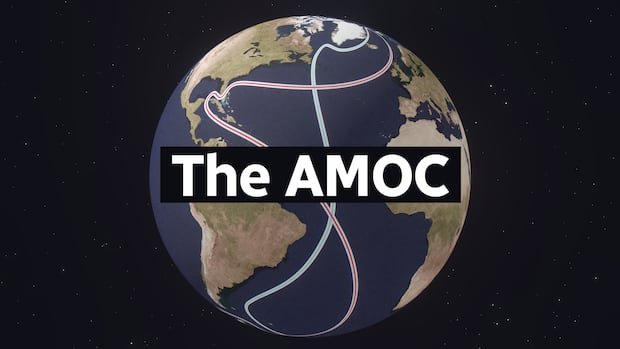
The film “The Day After Tomorrow” portrayed a scenario of global catastrophe and an ice age triggered by the shutdown of the Atlantic Meridional Overturning Circulation (AMOC). While the movie was fictional, the concept was rooted in scientific understanding.
The AMOC is a vital part of the ocean’s circulation system, acting as a global conveyor belt that transports heat, water, and carbon around the planet. This system plays a crucial role in regulating global weather patterns and supporting marine ecosystems.
Recent research, including a study by the University of Miami, has shown that the AMOC has already slowed by 10 to 20 percent over the past two decades. Climate models have long predicted this slowdown due to global warming and its impact on ocean density.
Scientists are now warning that the AMOC could slow by 51% by the year 2100, potentially leading to a full shutdown. This slowdown would have severe consequences, including disruptions to global agriculture, food production, climate patterns, and a rise in sea levels.
The weakening of the AMOC also poses specific risks to Atlantic Canada, with potential impacts on winter storms, ocean temperatures, and marine life. Experts emphasize the need for more research and data collection to better understand and prepare for the implications of a slowing AMOC.
To mitigate these risks, experts stress the importance of adhering to the Paris climate agreement and transitioning away from fossil fuels as a crucial step in averting the potential catastrophic consequences of an AMOC shutdown.

