
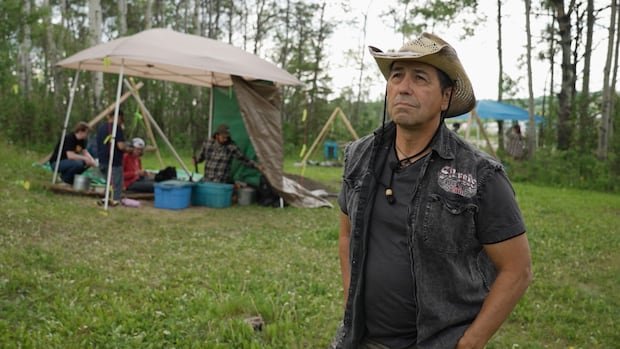
An excavation program taking place at a national historic area close to Fort St. John, B.C., is shedding light on 12,500 years of First Nations history, uncovering remnants of ancient stone tools and animal bones. Tse’k’wa, which is under the ownership of Doig River, Prophet River, and West Moberly First Nations, was home to the Dane-zaa ancestors for many generations.
Describing the site as an ancient archaeological treasure, Elder Laura Webb of West Moberly expressed the significance of the findings, emphasizing the enduring presence of the Dane-zaa people over millennia. The artifacts discovered at Tse’k’wa have been estimated to be at least as old as 12,500 years, showcasing the rich history of the region.
Tse’k’wa is among the 57,000 documented archaeological sites in the province, providing a glimpse into the historical human habitation of North America since the last ice age. The site is a platform for the three nations to share their heritage, traditions, and language with interested individuals, welcoming public visits and involving University of Northern British Columbia students in on-site research.
According to Webb, Tse’k’wa serves as a cultural hub where ancestral practices and teachings are shared with visitors, illustrating the harmonious relationship the Dane-zaa people had with nature. The field school at Tse’k’wa not only unearths ancient relics like stone tools and animal remains from a bygone grassland but also reinforces the spiritual and ritual significance of the region, exemplified by the discovery of buried ravens, revered in various Indigenous cultures.
The excavation has yielded remarkable finds, including a 10,500-year-old stone bead, the oldest adornment discovered north of the Yucatán Peninsula. Garry Oker, an elder from Doig River First Nation, highlighted the alignment of these discoveries with oral traditions passed down through generations, underscoring the deep-rooted connection between the artifacts and the Dane-zaa narratives.
Established in 2012, the Tse’k’wa Heritage Society, led by Oker, aims to preserve the site as an educational center for cultural insights and community gatherings. “Tse’k’wa,” translated as “rock house” in the Beaver language, references the cave on the site, where visitors can explore the trail lined with informational signs narrating the oral history intertwined with the archaeological findings.
Alyssa Currie, the executive director of the Tse’k’wa Heritage Society, emphasized the cultural continuity at the site, noting that generations of Dane-zaa ancestors have utilized the area for cultural practices that persist to this day. The artifacts discovered at Tse’k’wa not only validate the enduring stories and mythologies but also provide a tangible link to the Dane-zaa community’s past.
The ongoing excavation work at Tse’k’wa serves as a testament to the rich history and cultural legacy of the region, offering valuable insights into the ancient heritage of the First Nations communities in the area.

